

On-demand delivery has evolved far beyond convenience. Today, it plays a critical role in how South Africans access food, groceries, and everyday essentials. As e-commerce and on-demand services continue to grow, delivery businesses face increasing pressure to expand capacity while maintaining operational efficiency, reliability, and service consistency.
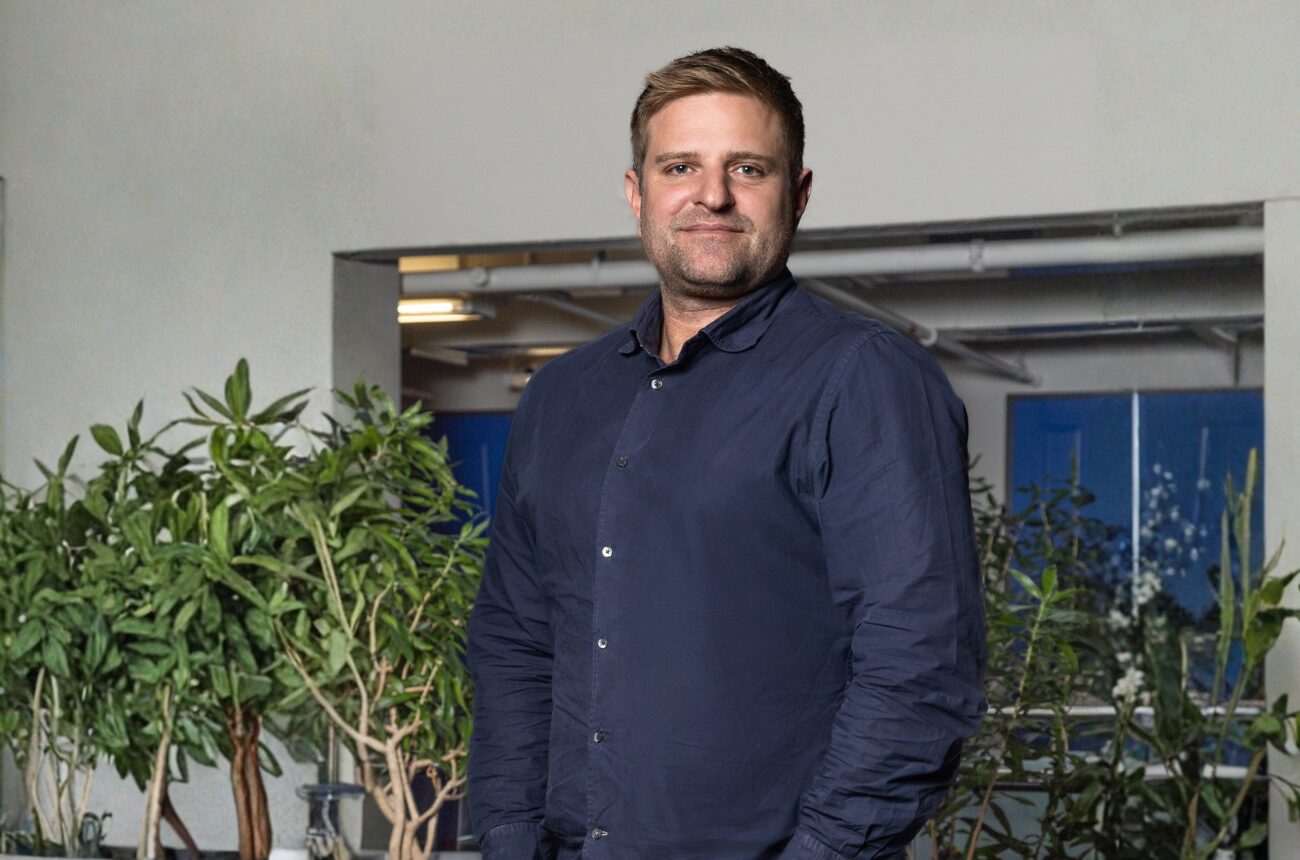
As CEO of Mr D, one of South Africa’s leading on-demand platforms, Alexander Wörz shares insights into the operational infrastructure, logistics coordination and delivery network capabilities that support sustainable growth at scale – and the role TFS plays in enabling this behind the scenes.
How reliable fulfilment powered initial growth
For on-demand businesses, growth depends on far more than customer demand, says Wörz. “It’s a three-sided marketplace,” he explains. “You’ve got consumers, you’ve got restaurants, and then you’ve got drivers. To be attractive to consumers, you need the right partners on the platform.”
In Mr D’s early growth phase, however, onboarding major restaurant brands was one of the biggest challenges. Large partners needed confidence that the platform could reliably fulfil demand at scale.
“That’s where the on-demand driver network and TFS ultimately came in,” he says.
By enabling a scalable and dependable delivery network, TFS helped create the operational foundation that allowed Mr D to grow its partner ecosystem and expand nationally.
The more complex the platform, the more seamless your logistics need to be
As Mr D evolved beyond restaurant delivery into groceries and retail, operational complexity increased significantly. Each new vertical introduced additional fulfilment requirements and delivery demands.
“We saw the success of on-demand grocery delivery … we then started to build on that proposition, together with Pick n Pay,” says Wörz. “More recently, we’ve focused on bringing more shops and retail partners onto the platform. TFS has been instrumental in enabling expansion into additional verticals and categories.”
By providing the logistics backbone behind these expansions, TFS has enabled Mr D to evolve from a food delivery app into a broader on-demand ecosystem.
For customers, consistency is key
As on-demand delivery has grown, so too have customer expectations. Orders need to move efficiently, delivery windows must remain reliable, and operations need to adapt continually to changing demand patterns.
Without the right logistics infrastructure, that level of consistency becomes difficult to sustain. “Reliability is about consistently delivering the service customers expect, while ensuring sufficient driver capacity exists to support demand as it evolves,” explains Wörz.
“TFS has enabled greater operational flexibility,” he continues. “Given the scale of the operation and the strength of the delivery network, we are able to introduce additional services while maintaining consistency and responsiveness to customer demand.”
This flexibility allows Mr D to respond to demand surges in real time without compromising service quality.
Reliable delivery is built through partnership
For customers, reliability is simple: orders arrive when expected. Operationally, however, reliability depends on deep coordination between platforms, logistics providers, and driver networks.
This is why integrated partnerships matter.
For Wörz, the relationship between Mr D and TFS extends beyond a traditional supplier model. TFS operates as a closely aligned operational partner, supporting growth ambitions and enabling a consistent customer experience at scale.
“TFS is an integrated partner into the Mr D business … we don’t operate in silos,” he says. “We operate together because only if the driver supply really serves the platform can we get the best outcome for the customer. Ultimately, it is an extension of our own capabilities.”
That integration enables faster decision-making, operational agility, and the ability to respond quickly in a rapidly evolving market. “In such a dynamic and fast-moving environment, flexibility is critical. We need to identify shifts in demand quickly and continually optimise how we operate and serve customers,” says Wörz.
Engineering what comes next
As on-demand delivery continues to evolve, businesses will increasingly compete on operational excellence, efficiency, and reliability. The market leaders of the future will be those investing in smart, scalable logistics capability today. For Mr D, TFS continues to support sustainable growth, category expansion, and the operational consistency customers increasingly expect.
WATCH more of Alexander Worz’s insights into Mr D and the logistics engine that powers its scalability, efficiency and reliability here.